RCS On The Road
Our monthly newsletter for tips in trucking, market updates, and our drivers' stories.
.png)
Our monthly newsletter for tips in trucking, market updates, and our drivers' stories.
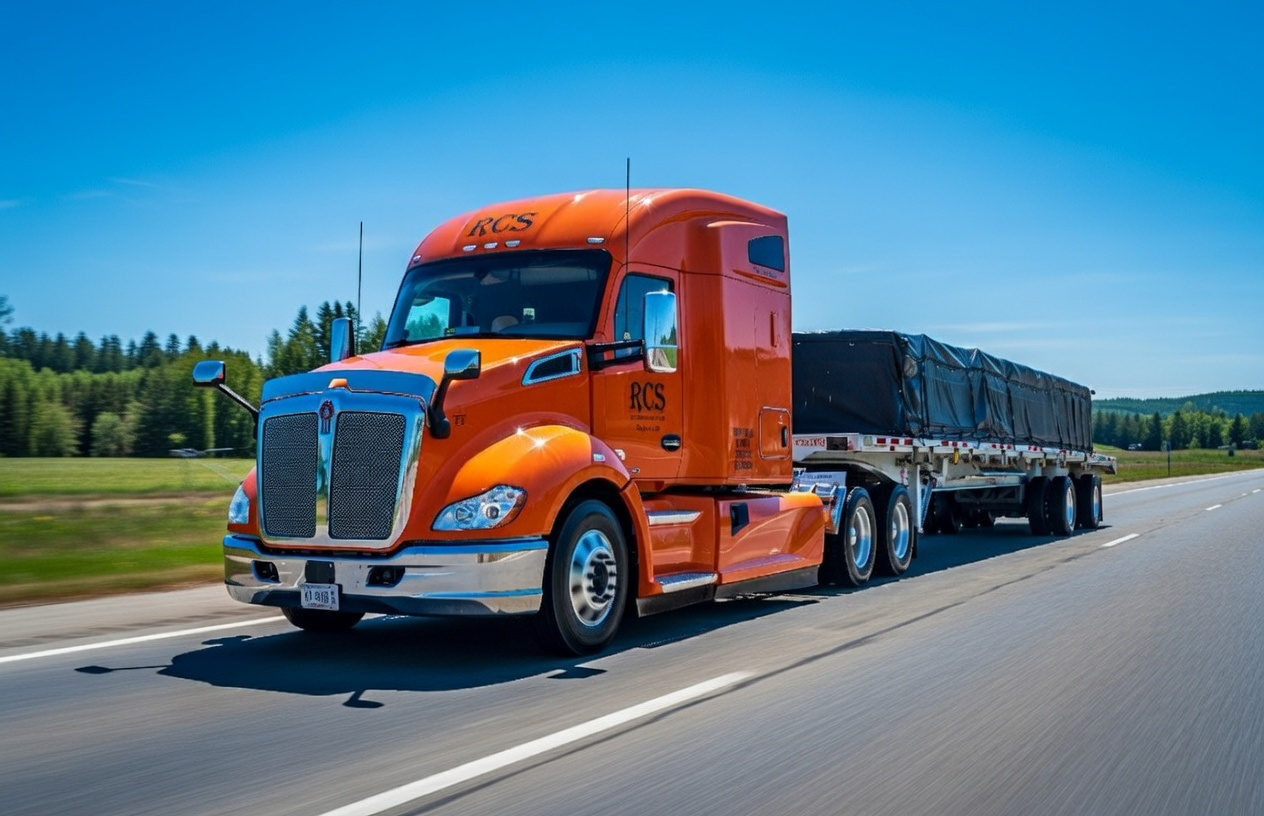
Freight volume remains steady across our core lanes, with consistent demand tied to construction materials, consumer goods, and regional freight. While some markets continue to see uneven activity, our primary operating areas are holding up well. Seasonal shifts and weather can still impact lanes short-term, but overall freight movement remains stable. Our focus stays on keeping trucks moving, reducing deadhead, and supporting predictable home time.
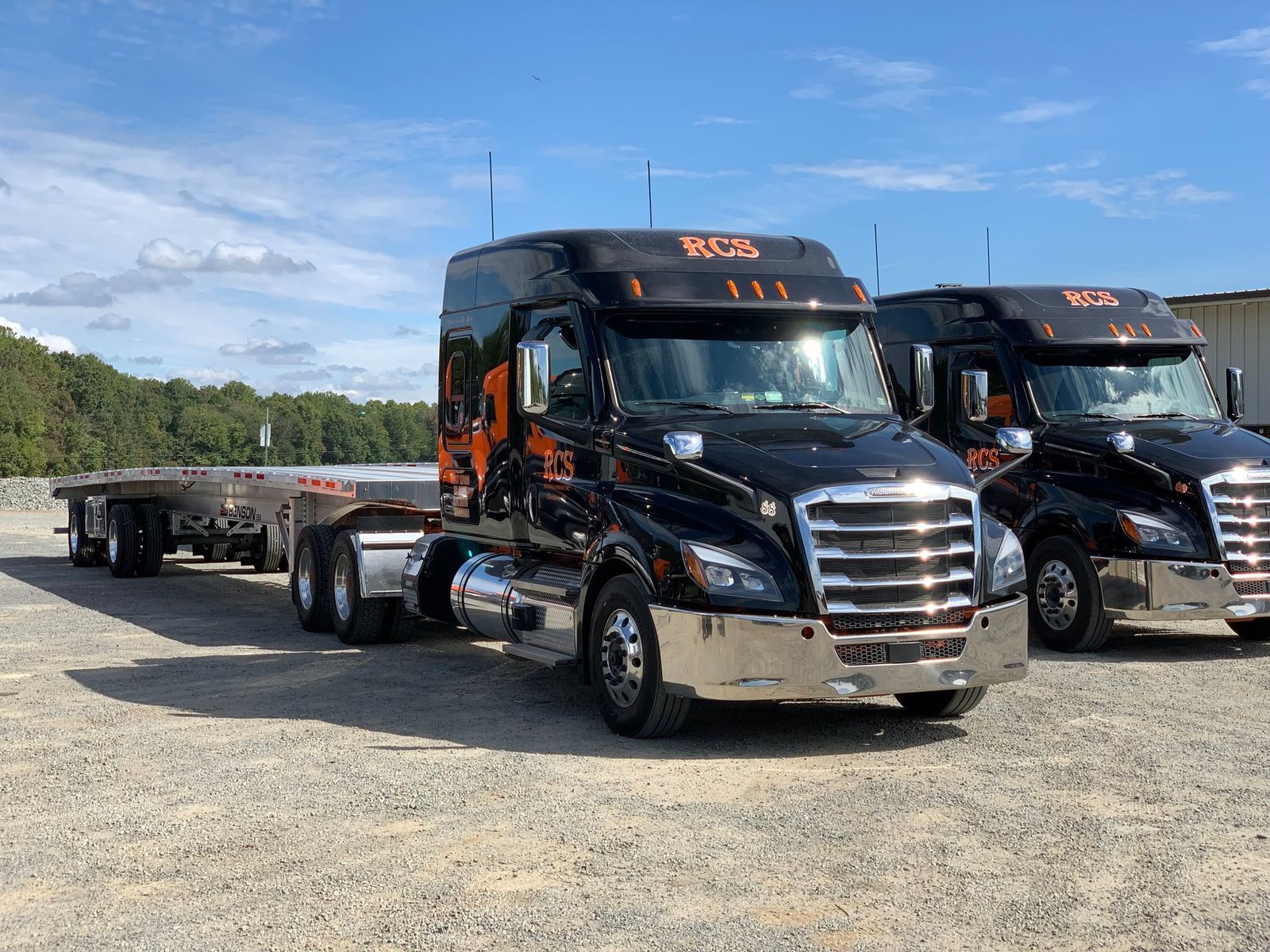
Industry rates remain competitive but tight as shippers continue to manage costs. Through disciplined pricing and smart load selection, we’re able to protect margins while keeping driver pay steady and consistent. At RCS, the goal remains clear: fair, transparent pay supported by reliable freight so drivers can plan their weeks with confidence.
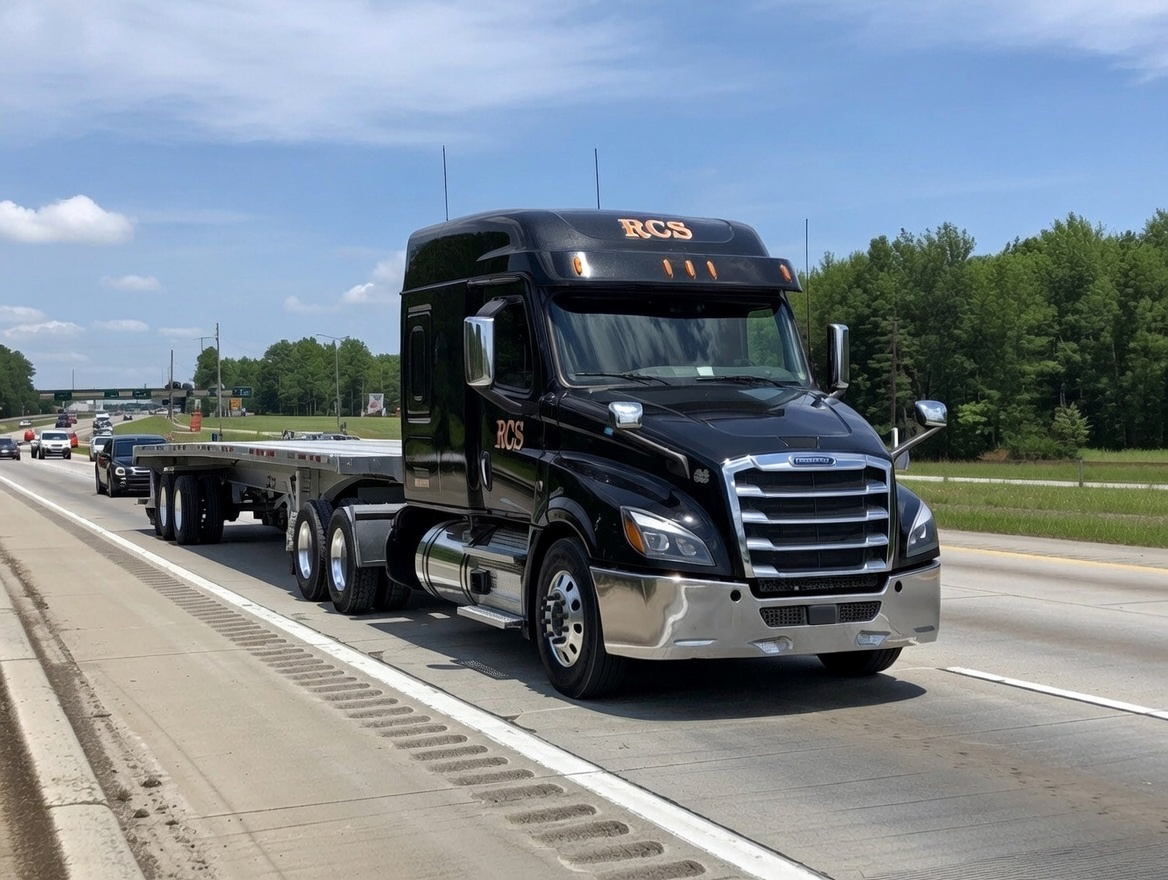
Capacity across the industry remains mixed, creating opportunities for well-run operations to secure consistent freight and limit downtime. Our equipment utilization remains strong, supported by efficient dispatch and proactive communication. Preventive maintenance, weather awareness, and smart route planning continue to be key priorities to keep trucks running safely and on schedule.
As 2025 comes to a close, many truck drivers are asking the same question: what will 2026 look like for the trucking industry? After several years of market swings, rising costs, and changing freight demand, 2026 is shaping up to be a year where stability improves for some — but only for drivers at the right companies. Here’s what drivers should realistically expect in the 2026 trucking market and how to position yourself for a better year ahead.

The reason I started working out is because truck drivers are not really known for having healthy lifestyles. This job comes with real health risks — heart disease, diabetes, blood clots — but mental health is just as important and often overlooked. If you don’t have an outlet to release the stress and depression that can build up on the road, it will catch up to you. Truck drivers deal with isolation, long hours, and constant pressure, and that can lead to anxiety, depression, and even panic attacks if you don’t have a way to let it out. For me, working out is that outlet. It’s not just about physical health, it’s about mental health too. People say you can call family, FaceTime, or text, and that does help, but it’s not always realistic. You can’t be on your phone all day while driving, and safety has to come first. So I make time to move whenever I can. I lift weights, walk, run, or get outside at rest areas and truck stops. Even something simple makes a difference. That time helps clear my head and gives me a reset, and that’s why staying consistent matters so much to me. Consistency and discipline are things a lot of drivers struggle with, but if I can do it, anybody can. I use my 30-minute breaks, time waiting to get loaded or unloaded, or I wake up an hour early to lift before hitting the road. It’s not about having a perfect routine — it’s about making the time where you can and sticking with it.